
Most infrastructure conversations about carbon start in the wrong place. We talk about measuring emissions, hitting targets, ticking compliance boxes. But that’s not actually where the value is.
What we learned running the LCRIG webinar on 29th April was that the organisations getting real returns on their carbon work aren’t the ones obsessing over the latest reporting standard. They’re the ones thinking about their assets differently: What happens across the entire lifespan? How do design decisions today affect performance in 30 years? Where does carbon reduction align with actually building better infrastructure?
That shift in perspective changes everything.
The Whole-Life Carbon View
When you start looking at carbon across an asset’s full lifecycle, you spot something interesting: reducing carbon often means building things that last longer, perform better, and cost less over time. It’s not a trade-off. It’s an alignment.
For local authorities managing infrastructure budgets, that’s significant. For contractors and suppliers, it opens up entirely new ways to think about efficiency. For designers and engineers, it means you’re solving a different problem in the design phase, when you actually have leverage.
Making PAS 2080 Work in Practice
Here’s the thing about standards like PAS 2080: they give you the framework, but they don’t tell you how to actually implement them without drowning in spreadsheets and disconnected data.
This is where the workflow matters. When carbon assessment is built into your digital systems from the start, when teams can see scenarios in real time, identify trade-offs quickly, and make decisions based on actual data rather than estimates, PAS 2080 becomes useful instead of burdensome.
We showed in the webinar how this works. Real assessment happening in parallel with design, not as an afterthought. That’s where the insight happens.
What Different People Got Out of This
The webinar audience spanned the whole ecosystem, and the takeaways were specific to what each group actually does:
Local authorities came away understanding how whole-life carbon thinking strengthens procurement and protects value over decades. Designers and engineers saw how upstream carbon assessment in early design phases creates better outcomes than solving it later. Contractors realised there’s efficiency to be gained in how they approach carbon workflows. Asset owners got clarity that systematic carbon management isn’t a compliance burden, it’s how you protect long-term returns.
What’s Available Now
We recorded the webinar in two formats so people could engage however works for them. There’s also a Q&A report capturing the questions that came up live.
For anyone wanting to move from theory into practice: local authorities can access a free 12-month trial to see how this works with their actual infrastructure. Contractors and suppliers can book a session to explore how integrated carbon workflows change what’s possible in their operations.
The Real Shift
The webinar crystallised something we’re seeing across the sector: organisations that embed whole-life carbon thinking into how they design and operate actually build better assets. It’s not a separate compliance function. It’s how you make smarter decisions from the start.
If you attended and want to discuss how this might work for your organisation, let’s talk.

Emma has been selected across three categories at the 2026 Highways Champions Awards
3 September 2026

Join Us for The People’s National Emergency Evening
14 August 2026
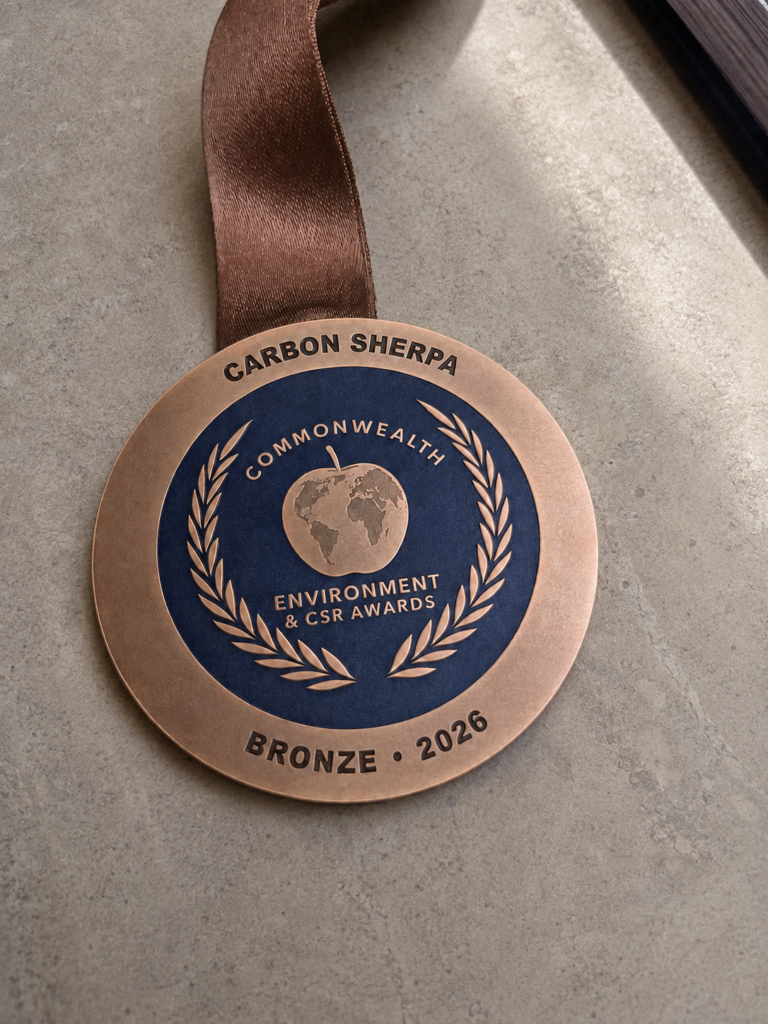
Carbon Sherpa wins Bronze at the Commonwealth Environment & CSR Awards 2026
14 August 2026
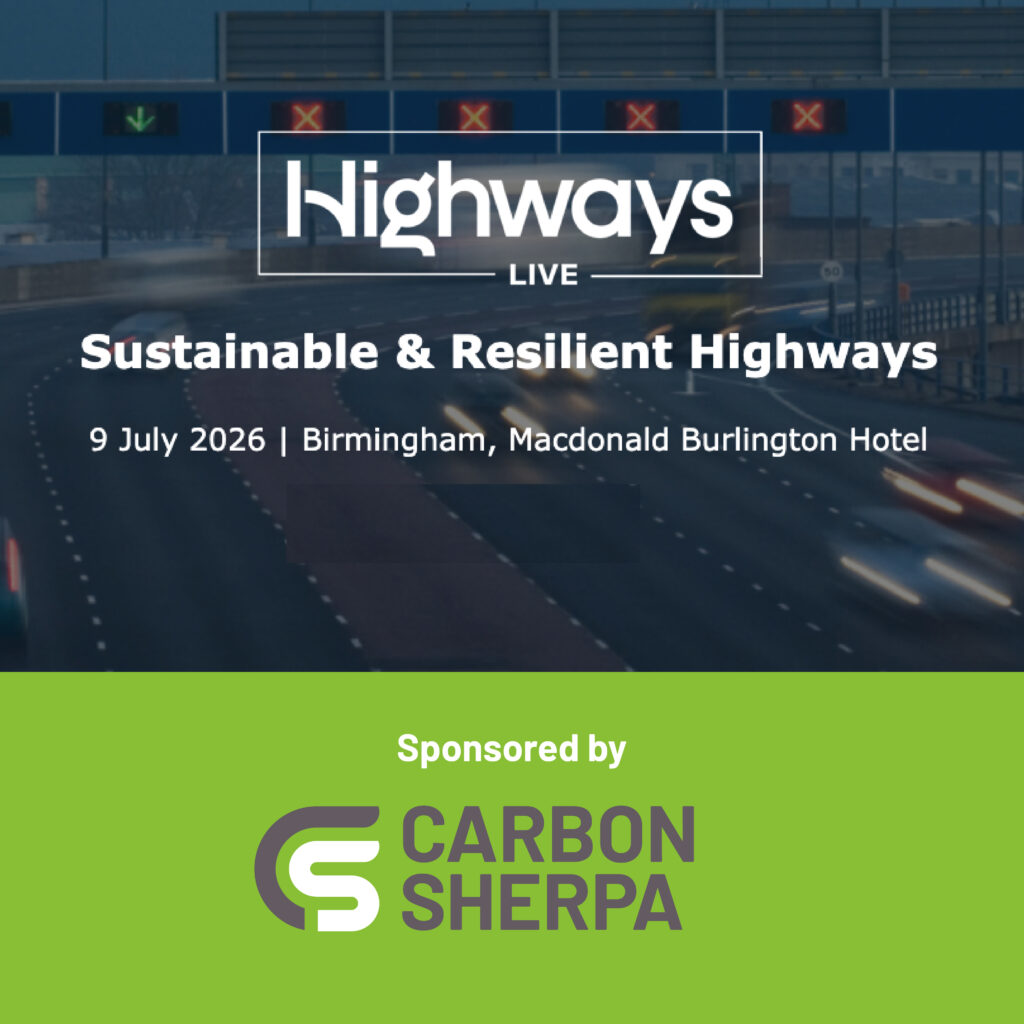
Carbon Sherpa sponsors highways live: sustainable and resilient roads
29 May 2026