ISO 14001:2026 – What the Revision Means for Environmental Management
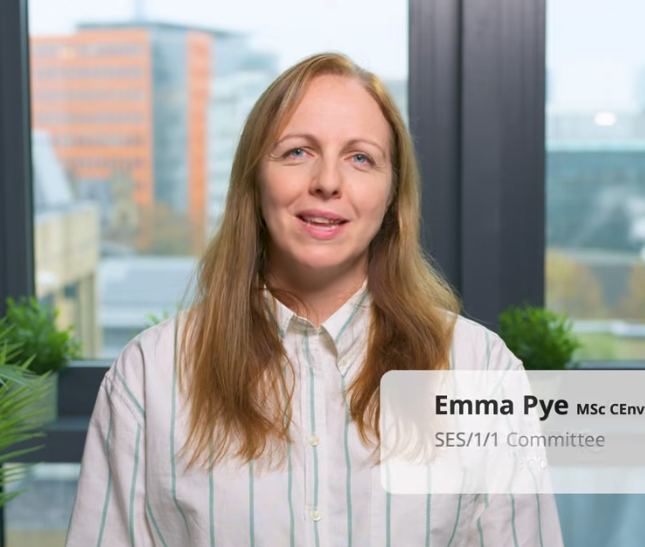
The forthcoming revision of ISO 14001, due for publication in 2026, represents a significant evolution in how organisations structure, implement, and improve their environmental management systems. BSI has released an expert video featuring Emma Pye, offering early insight into the direction of the draft standard and the implications for industry.
You can watch the video here: https://www.youtube.com/watch?v=7DbyrIeL1pg
BSI’s accompanying guidance provides further detail on the expected changes: https://www.bsigroup.com/en-GB/products-and-services/standards-services/iso-14001-key-changes-and-guidance/
This blog summarises the core themes emerging from the revision and outlines what they mean for organisations working to strengthen resilience, accountability, and sustainability performance.
A Shift Toward Strategic Sustainability Integration
ISO 14001 has always required organisations to consider environmental aspects and risks. The 2026 update strengthens this by embedding sustainability into decision-making at strategic, operational, and cultural levels. The revision moves organisations away from a compliance-only mindset and towards an environmental management approach that continuously anticipates change and supports long-term resilience.
This aligns environmental management with broader organisational purpose. The expectation is clear: environmental considerations must be integrated into planning, leadership commitments, design decisions, procurement activity, and performance evaluation.
Strengthening Leadership and Organisational Culture
Emma Pye highlights one of the most significant developments: an enhanced focus on leadership and culture. The revised standard underlines that environmental outcomes depend on informed governance, engaged people, and clear accountability.
Leaders must demonstrate active commitment to environmental performance, ensuring that environmental priorities are visible, supported, and embedded throughout the organisation. Cultural change becomes a core requirement: staff at every level should understand environmental responsibilities and be equipped to act on them.
This shift encourages organisations to move from “management by procedure” to “management by purpose”. It recognises that competence, confidence, and shared understanding are central to effective implementation.
New Focus on Managing Change
A new clause on change management formalises what many organisations already experience: environmental risks and opportunities evolve quickly. Whether the driver is climate policy, supply chain constraints, new materials, or shifts in customer expectations, organisations must ensure their environmental management system adapts appropriately.
The clause requires structured assessment, planning, communication, and control of changes that could affect environmental performance. This includes internal changes (processes, roles, technology) and external changes (regulation, market conditions, environmental impacts).
The aim is to build systems that remain stable, credible, and effective even as the operating environment evolves.
Expanded Requirements for External Products and Services
The 2026 revision reinforces the need for stronger oversight of products, services, and activities delivered by external providers. This includes the upstream supply chain and outsourced processes.
Organisations must now evidence clearer understanding and control of environmental impacts associated with third parties. This is consistent with wider sustainability expectations around scope 3 emissions, due diligence, and transparent supply chain management.
By strengthening these requirements, the standard encourages organisations to build more resilient and responsible value chains.
Clearer, More Accessible Auditing and Implementation
One of the aims of the revision is to increase clarity—particularly for small and medium-sized organisations. The simplification of structure and language supports more consistent application and auditability. BSI notes that the revised framework is designed to align more closely with other management system standards, supporting integrated systems and reducing duplication.
For auditors, the revised guidance provides clearer expectations, particularly on leadership engagement, cultural indicators, and evidence of effective change management.
How ISO 14001 Supports Sustainability Goals
The revised standard reinforces ISO 14001’s role as a tool for achieving sustainability objectives. By linking governance, culture, processes, and performance, the update ensures that environmental management supports wider corporate purpose.
Organisations will be better equipped to:
- anticipate environmental risks
• demonstrate responsible decision-making
• support transparent reporting
• improve resource efficiency
• build environmental resilience
As sustainability requirements continue to accelerate, ISO 14001:2026 provides a structured pathway for organisations to respond with confidence and clarity.
Looking Ahead
The revision to ISO 14001 is more than a technical update. It sets a direction for environmental management grounded in leadership, culture, collaboration, and continual improvement. Organisations that adopt these principles early will be well placed to strengthen governance and deliver measurable environmental outcomes.
To learn more, watch the full BSI expert video featuring Emma Pye:
https://www.youtube.com/watch?v=7DbyrIeL1pg
Further guidance from BSI is available here:
https://www.bsigroup.com/en-GB/products-and-services/standards-services/iso-14001-key-changes-and-guidance/
If you would like support understanding what the revision means for your organisation or how to prepare, PYE Management can help you interpret the requirements and develop a structured, compliant response.

Highways UK 2025 – Building Resilient Roads and Launching Carbon Sherpa
4 November 2025
RSTA Greener Roads Ahead – Cardiff
16 September 2025
Setting a New Standard: Reflections on a UK Record-Breaking Rejuvenation
26 August 2025
Multevo Achieves PAS 2080 Certification — A Major Step Forward in Whole Life Carbon Management
11 June 2025